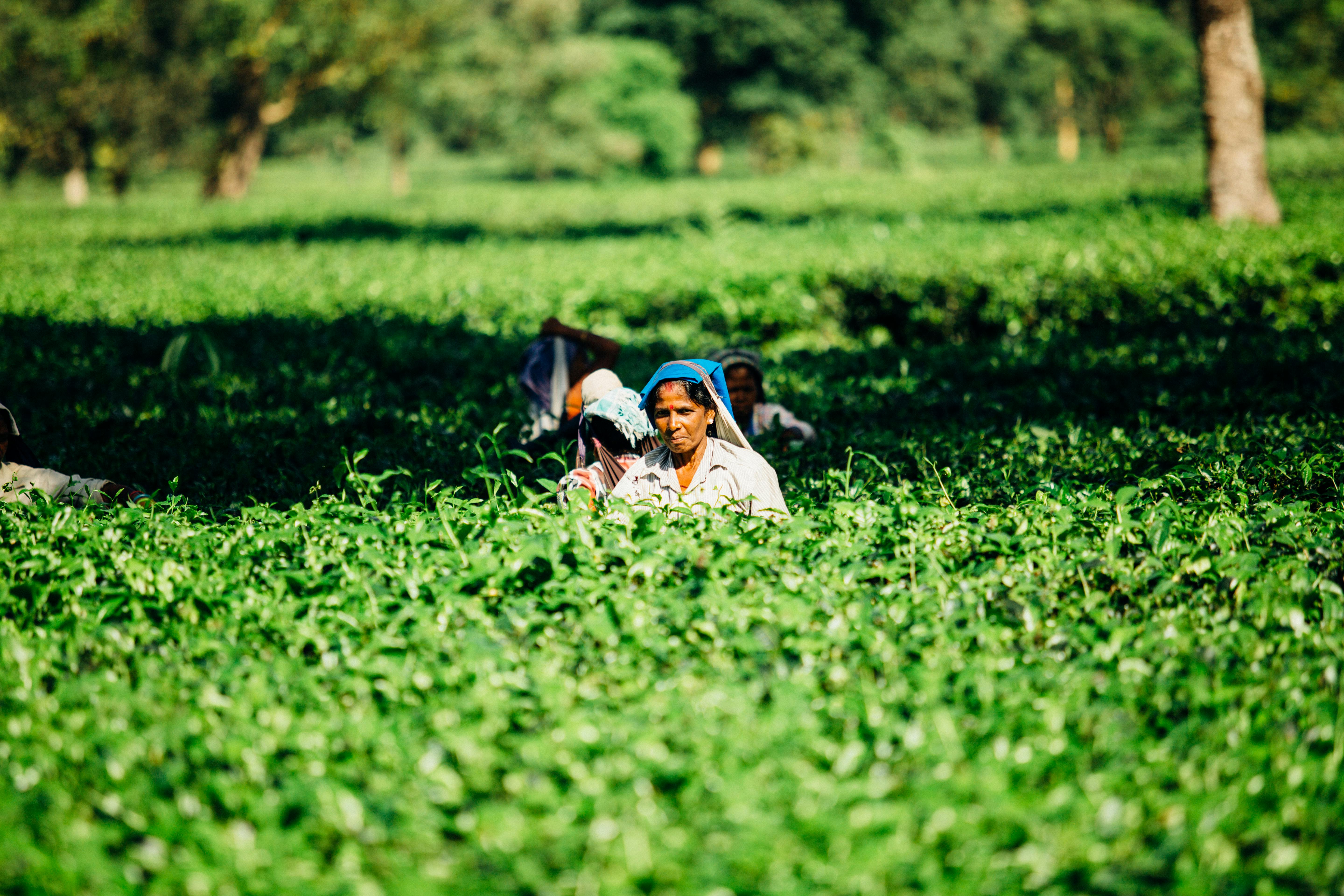
Maize (corn) is one of the most important cereal crops in India, widely cultivated for food, feed, and industrial use. As maize farming expands and intensifies, farmers face increasing challenges related to pest control, disease management, labor shortages, and input optimization. Drone spraying technology is emerging as a highly effective solution to address these issues.
Why Traditional Spraying Is Challenging in Maize
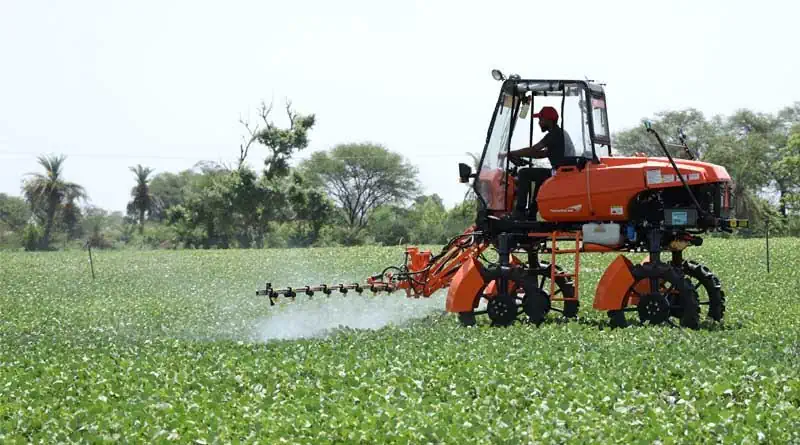
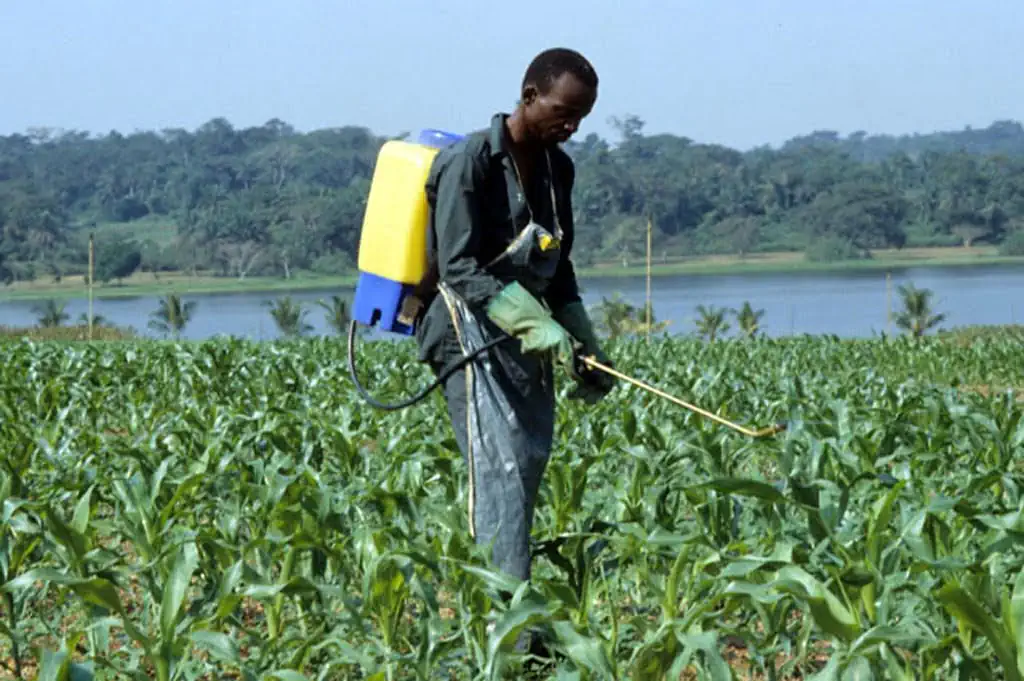
Maize crops grow tall and dense within a short period, making manual or tractor-mounted spraying difficult and inefficient. Common challenges include:
- Poor spray penetration in dense canopy
- Crop damage due to trampling
- High labor requirement and rising costs
- Direct exposure of workers to pesticides
- Uneven application leading to pest resistance
What Is Drone Spraying in Maize?
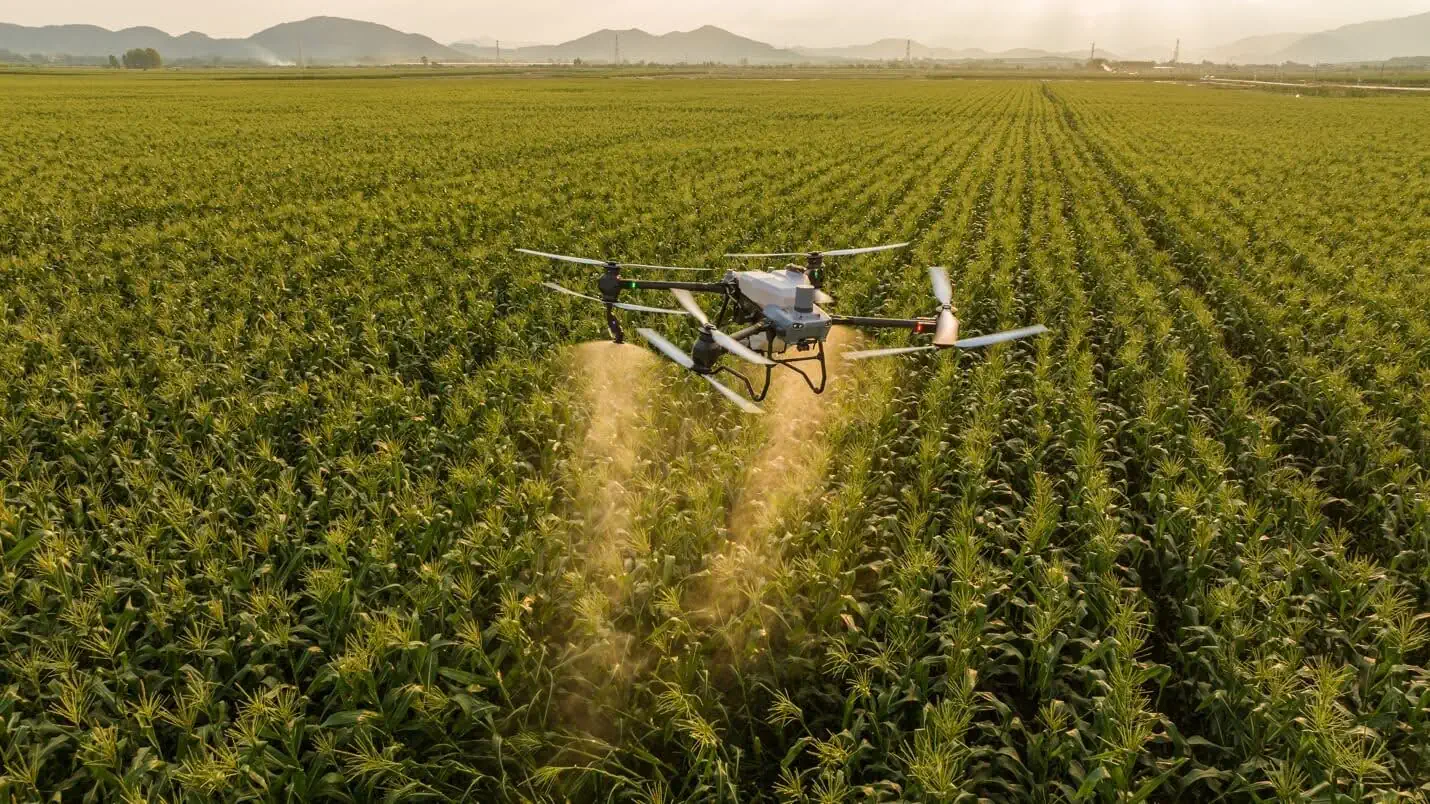
Drone spraying uses GPS-enabled agricultural drones to apply pesticides, fungicides, herbicides, and micronutrients from the air with high precision. Spray parameters are digitally controlled to ensure uniform coverage across the maize canopy.
Key Benefits of Drone Spraying in Maize Cultivation
1. Uniform Coverage in Tall Crops
Drones spray from above, ensuring consistent coverage of upper and lower leaves, even in advanced growth stages.
2. Faster Operations
A single drone can cover 10–15 acres per hour, enabling rapid response during pest or disease outbreaks.
3. Reduced Chemical Usage
Precision spraying reduces chemical consumption by 30–40%, lowering input costs and environmental impact.
4. Improved Farmer Safety
Drone spraying eliminates direct human contact with hazardous agrochemicals.
5. No Crop Damage
Unlike manual or tractor spraying, drones do not trample maize plants or compact soil.
Suitable Applications in Maize Farming
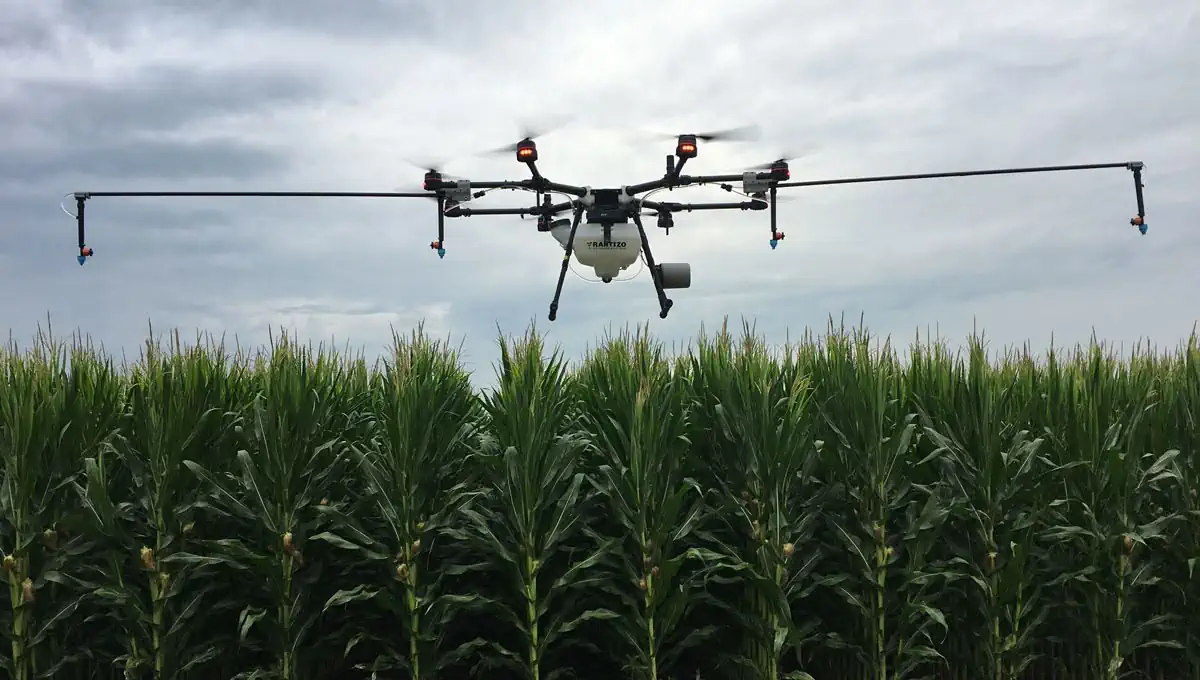
Drone spraying is effective for:
- Fall armyworm control
- Stem borer management
- Fungicide application for leaf blight and rust
- Foliar nutrition and micronutrient spraying
- Growth promoters and bio-stimulants
Manual vs Drone Spraying in Maize (Comparison)
| Parameter | Manual Spraying | Drone Spraying |
|---|---|---|
| Speed | Slow | Very Fast |
| Spray Uniformity | Uneven | Highly Precise |
| Labor Requirement | High | Minimal |
| Chemical Exposure | High | Nil |
| Crop Damage | Possible | None |
| Cost Efficiency | Low | High |
Economic Impact for Maize Farmers
Drone spraying improves return on investment (ROI) by:
- Reducing labor costs
- Minimizing chemical wastage
- Preventing yield loss due to delayed spraying
- Increasing overall crop health and uniformity
Service-based drone spraying models make this technology affordable even for small and medium farmers.
Role of Drone Spraying in Sustainable Maize Farming
Drone spraying supports:
- Precision agriculture practices
- Reduced environmental contamination
- Efficient water usage
- Compliance with modern farming standards
It aligns well with India’s push toward mechanization and smart agriculture.
Conclusion
Drone spraying is transforming maize cultivation by delivering precision, speed, safety, and cost efficiency. For farmers aiming to maximize yield while minimizing operational challenges, drone spraying is a practical and scalable solution.
As maize cultivation continues to expand across India, drone spraying will become an essential tool in modern maize farming.